
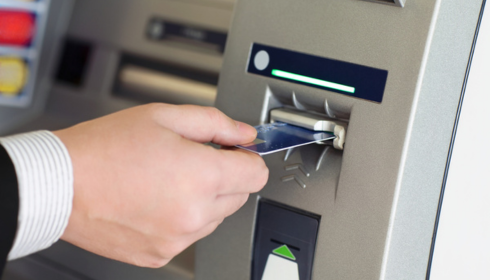
Digital banking has made life easier, but it hasn’t eliminated errors completely. Many people still face situations where money gets stuck, deducted, or sent to the wrong place. Two of the most common problems are atm transaction failed complaint cases and Mistake payment situations. Understanding how these issues happen and what steps to take can save you time, stress, and sometimes a lot of money.
Why ATM Transactions Fail in the First Place
ATM transactions can fail for several reasons, and most of them are technical rather than personal. Network connectivity issues between the ATM machine and the bank’s server are one of the biggest causes. Sometimes the ATM runs out of cash after you enter your PIN but before the money is dispensed. Power failures, server downtime, or even a temporary system upgrade can interrupt the process.
In many cases, the amount gets debited from your account even though you didn’t receive the cash. This is frustrating, but the good news is that banks have clear procedures to resolve such issues once a complaint is registered.
How to File an ATM Transaction Failed Complaint Properly
If your ATM transaction fails, the first thing to do is stay calm and keep the transaction slip, if one is generated. Even if no slip is printed, note down important details like the date, time, ATM location, transaction amount, and the last four digits of your card.
Most banks allow you to raise a complaint through:
- Mobile banking apps
- Internet banking portals
- Customer care helpline numbers
- Visiting the nearest branch
When you submit an Mistake payment, the bank starts an internal verification process. According to standard banking rules, the deducted amount is usually reversed within 5 to 7 working days, though in some cases it may take up to 10 working days depending on the bank.
What Is a Mistake Payment and How Does It Happen?
A mistake payment usually occurs during online transfers like UPI, IMPS, NEFT, or RTGS. This happens when you accidentally enter the wrong account number, mobile number, or select the wrong contact while sending money. Unlike ATM failures, mistake payments are more complicated because the money is successfully transferred—but to the wrong person.
Such errors are more common than people admit, especially with quick one-tap payment systems. Unfortunately, banks cannot automatically reverse these transactions without the recipient’s consent.
Immediate Steps to Take After a Mistake Payment
Time is critical if you’ve made a wrong transfer. As soon as you realize the error, contact your bank’s customer support and report the issue. Provide all transaction details, including transaction ID, amount, date, and the incorrect recipient information if available.
Your bank will try to contact the receiving bank and the recipient. If the recipient agrees, the money can be reversed. If not, you may need to follow a formal dispute process, which can include written complaints and, in rare cases, legal steps.
How Banks Investigate and Resolve These Issues
For failed ATM transactions, banks rely on electronic logs from the ATM machine and transaction records. Once verified, the reversal is usually straightforward.
In mistake payment cases, banks act as facilitators rather than decision-makers. They cannot debit someone else’s account without permission. However, they can guide you on escalation channels and provide official communication to help recover the funds.
Tips to Avoid ATM and Payment Errors in the Future
Prevention is always better than resolution. Always wait for the ATM transaction to complete before leaving the machine. Avoid using ATMs that look poorly maintained or are located in areas with frequent power issues.
For online payments, double-check the recipient’s details every time. Sending a small test amount before transferring a large sum is a smart habit. Also, keep your bank’s customer care number saved so you can act quickly in case of an error.
Final Thoughts
ATM failures and wrong transfers can happen to anyone, even the most careful users. The key is knowing your rights, acting quickly, and following the correct process. With timely action and proper documentation, most issues—whether related to ATM cash problems or accidental transfers—can be resolved smoothly. Staying informed and cautious will help you bank with confidence in an increasingly digital world.