A reliable source of hot water is one of those things people rarely think about until it suddenly disappears. A cold shower on a winter morning or a sink that refuses to produce warm water can quickly turn into a frustrating household problem. While modern plumbing systems are designed to last for years, regular use, mineral buildup, and aging components can slowly affect performance.
Understanding common issues with your water heating system helps you notice warning signs early and avoid expensive surprises. Whether you own an older unit or a newer model, a little attention goes a long way in keeping your home comfortable and energy-efficient.
Why Your Water Heater May Start Showing Problems
Like any appliance that works every day, a water heater experiences natural wear and tear. Over time, parts such as heating elements, thermostats, valves, and internal tanks can develop issues. Sometimes the problem is obvious, like no hot water at all. Other times, the signs are subtle — unusual noises, rusty-colored water, or a heater that takes longer than usual to warm up.
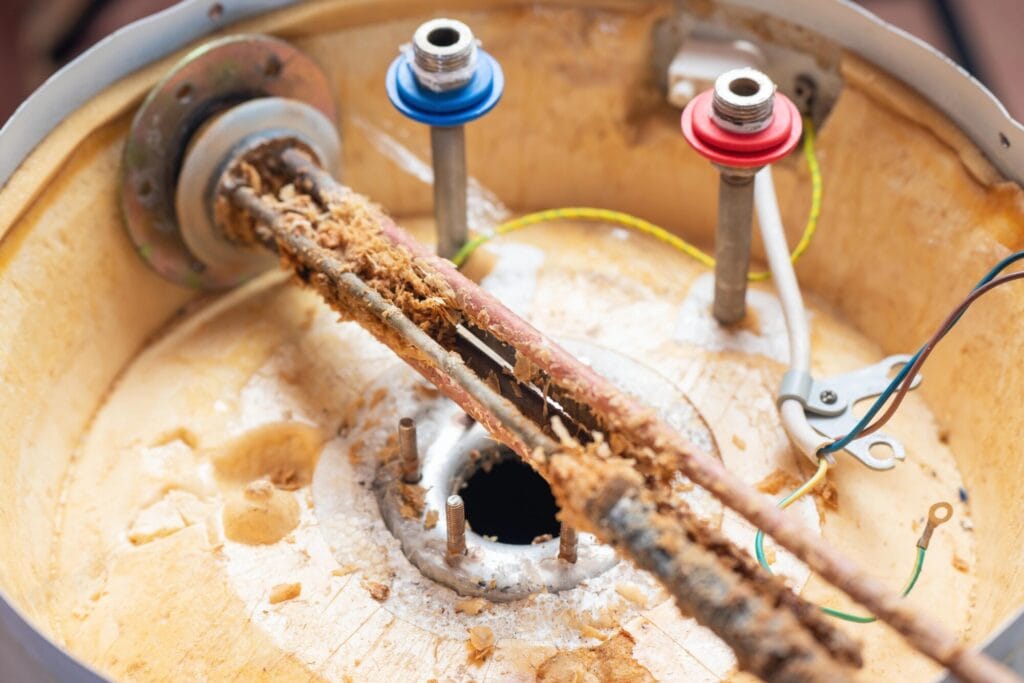
One of the biggest causes of trouble is sediment buildup. Minerals found in hard water can settle at the bottom of the tank, creating a layer that makes the system work harder. This not only reduces efficiency but can also shorten the lifespan of the equipment.
Recognizing When Repairs Are Needed
Many homeowners wait until a complete failure happens before calling a professional. However, catching problems early can save money and prevent damage. If you notice leaking around the tank, inconsistent water temperature, strange popping sounds, or higher energy bills, it may be time to have the system inspected.
For many households, conventional hot water heater repair is enough to restore normal operation. Simple fixes like replacing a faulty thermostat, repairing a damaged valve, or flushing sediment from the tank can often extend the life of an existing unit. A qualified technician can determine whether repairing the current system makes financial sense or if a larger solution is needed.
The Importance of Regular Maintenance
Maintenance is often overlooked because water heaters usually sit quietly in a garage, basement, or utility area. Out of sight can easily become out of mind. But a small amount of yearly care can make a noticeable difference.
Flushing the tank, checking connections, testing safety features, and inspecting for corrosion are valuable steps. These tasks help improve efficiency and reduce the chance of sudden breakdowns. It’s similar to maintaining a vehicle — a little attention today can prevent a major repair bill tomorrow.
Homeowners who schedule routine service often enjoy more consistent water temperatures and better overall performance. Plus, regular inspections can identify problems before they turn into emergencies.
When Replacement Becomes the Better Choice
There comes a point when repairing an old system repeatedly is no longer practical. Most traditional units have a limited lifespan, and after many years of use, replacement may provide better value than continued repairs.
Choosing a new system depends on your household needs, budget, and energy goals. Some families prefer traditional tank models because they are familiar and reliable, while others explore newer options that provide improved efficiency.
A professional evaluation can help determine whether or replacement of your current unit is the smartest long-term decision. Factors like age, repair frequency, energy consumption, and available space all play an important role. Sometimes investing in a new system today can reduce monthly utility costs and prevent future headaches.
Different Types of Hot Water Systems Available
Today’s homeowners have more choices than ever before. Traditional tank-style models remain popular because they store a ready supply of hot water. However, tankless systems are becoming increasingly common because they heat water only when needed, which can reduce energy waste.
Heat pump water heaters, solar-powered options, and high-efficiency electric models are also gaining attention. Each type comes with its own benefits and considerations. A larger family may need a system with greater capacity, while a smaller household might benefit from a compact, energy-saving option.
When comparing hot water heaters, it’s important to look beyond the initial purchase price. Energy efficiency, maintenance requirements, installation costs, and expected lifespan all affect the overall value of the investment.
Small Habits That Can Extend Equipment Life
Simple daily habits can help protect your water heating system. Avoid setting the temperature unnecessarily high, as excessive heat can increase energy usage and create safety concerns. Insulating exposed pipes can also help maintain water temperature and reduce wasted energy.
Pay attention to changes in performance. A heater that suddenly becomes noisy or takes longer to recover after use is usually trying to tell you something. Ignoring those signals can lead to bigger problems later.
It’s also worth checking your home’s water quality. Hard water with high mineral content can accelerate buildup inside the system. Installing appropriate filtration or softening solutions may help protect plumbing components and improve efficiency.
A Comfortable Home Starts With Reliable Hot Water
Hot water is a small everyday luxury that plays a major role in comfort, cleaning, and daily routines. When your water heater works properly, it quietly supports your household without demanding attention.
Taking care of your system through maintenance, timely repairs, and smart upgrades can help you avoid unnecessary stress. Whether you’re dealing with a minor issue or considering a complete upgrade, understanding your options makes the decision much easier.
A dependable water heating system is not just about convenience. It’s about creating a comfortable, efficient home where you can count on the essentials working when you need them most.