Ascending Island is one of the most exhilarating experiences for trekkers and climbers in the Himalayas due to the unparalleled view combined with the sheer excitement. But to get the most out of this tough ascent, it’s important to avoid mistakes that can waste energy and risk your safety. Careful planning, knowledge of the terrain, and consideration of the safety aspects are critical components of these unforgettable yet grueling climbs.
The key thing is not to underestimate the physical and technical challenges that Island Peak presents, and that is one of the most common mistakes that climbers make. While not a technical climb like climbing other Himalayan peaks, you must be physically strong, have long stamina, and have the basic knowledge of snow and ice climbing, like how to use crampons and an ice axe. Neglecting to prepare well in advance for the trek can cause one to become tired, slow down, or get hurt easily. A consistent workout program that includes a combination of cardio, strength, and endurance training will be key in preparing your body for high altitude.
Island Peak Climbing A third problem is avoiding acclimatization. Island Peak is at 6,189 feet, and altitude sickness can be a life-threatening risk. Rising too quickly before your body has had time to adjust, for example, puts you at greater risk of developing a life-threatening condition known as acute mountain sickness. You need to follow an incremental ascent schedule with rest days and listen to how your body responds. The “climb high, sleep low” rule and staying hydrated also contribute to minimizing the risk of altitude sickness. Safety on the ascent must be our priority. A lot of accidents on Island Peak are caused by unsound safety practices or inexperience with the technical aspect, most notably, the ice wall and crossings over exposed glaciers. Always climb with guides and Sherpas certified in your host country and knowledgeable of your mountain’s terrain and conditions. They can be there to establish fixed ropes, to issue safety equipment, and advise on how to cross crevasses and steep ice slopes. Climbing it unaided without experts amplifies this risk.
Safety in (proper) equipment and gear is half the battle! Dress in layers suitable for the cold, wind, and potentially wet weather—if you are not well protected, you can become hypothermic and frost bitten. For technical sections of the climb, climbers should bring sturdy mountaineering boots with crampons, a helmet, a harness, ropes, and ice axes. And you can prevent accidents by making sure all gear is in good repair and that you know how to use it correctly. Don’t forget to bring necessary safety gear such as a first aid kit, headlamp, and communication tools.
Disregarding the weather is also another big mistake. The weather in our mountains can be very changeable, and climbing in storms or heavy snowfall may prove to be a very dangerous exercise. Always look at the weather forecast and listen to your partners when they say they want to attempt the summit later. If things take a turn for the worse, the best option is often to postpone or cancel the climb.
Poor nutrition and hydration can also impair performance and increase susceptibility to illness. Eating and drinking plenty of water helps keep energy levels up, as well as acclimatizing. Take high-energy snacks and water purification techniques to remain fueled and hydrated during the ascent.
And finally, overconfidence and going beyond your limits without listening to your body can result in an injury or altitude sickness. Knowing when to rest, retreat, or get help will be essential for a safe ascent. Island Peak is difficult but feasible with due consideration for the mountain, good planning, and attention to safety.
So to sum it up, the key to how not to screw up your climb of Island Peak is taking the time to get fit, making sure you acclimatize well, taking seasoned guides, the right gear, the weather, eating well and listening to your body. Integrating security at every stage of the process will not only yield a successful summit but also a secure and unforgettable Himalayan adventure.
What are the standard errors that climbers commit on Island Peak?
Island Peak Trek climbers, too often, suffer from unnecessary errors. Underestimating the need to be strong and in shape to climb is one of the most typical mistakes amateur climbers make. Regarding these peaks, Island Peak is probably the one to look at for most potential climbers because it’s open to people who aren’t professional mountaineers, but also high enough and technical enough to challenge trekkers in good fitness who know how to use mountaineering systems. You may tire more quickly, progress more slowly, or worse, end up injured if you do not physically prepare.
They also cited acclimatization as another common error. At more than 6,000 meters, Island Peak is a tall mountain, and climbing it too quickly without allowing your body to acclimate to the increasingly thin air would make you susceptible to altitude sickness. Rushing to the summit with no days of rest or failing to recognize early symptoms, such as headache or dizziness, can be perilous.
Reckless behavior: Climbing without the appropriate gear or thinking that safety equipment is unnecessary is a mistake as well. Technical sections include glacier travel, fixed ropes, and ice climbing, all of which will require harnesses, crampons, helmets, and ice axes. You are risking your safety by skipping or downgrading your gear.
Not paying attention to weather warnings or attempting to summit in poor weather is another common mistake. Himalayan weather is notorious for its unpredictability and changeability, which could pose added risk in the event of an accident.
Finally, some climbers are too stubborn or naive, drunk on their invincibility, and ignore signs of exhaustion or altitude sickness and continue when they shouldn’t. Paying attention to your body and making sound decisions is important so that you don’t have any accidents and have a safe climb.
How crucial is acclimatization in the Island Peak ascent?
Aclimatization is the key to a successful and safe ascent of the Island Peak. At 6,189m, the air is thin and breathing is difficult; the threat of altitude sickness is very real. When you properly acclimate, you give your body the ability to adjust to the diminished oxygen bit by bit, and you can discourage symptoms (headaches, nausea, dizziness, and fatigue).
One of the biggest reasons for this is rushing the ascent, which can result in acute mountain sickness, a potentially life-threatening condition. An acclimatization schedule with rest days at middle altitudes is the way to do this. For example, spending extra nights in the likes of Lobuche or Dingboche is an energy saver for oxygen.
Another effective strategy of acclimatization is the “climb high, sleep low” approach, when every day you go up but spend the night at a lower altitude. That way, your body gets accustomed to higher altitudes without being overtaxed while it’s resting.
Hydration and nutrition also impact acclimatization. Drinking enough water and eating high-energy foods will keep your body better equipped to adapt.
Failing to acclimate is no joke, a nd it’s among the most common reasons for evacuation due to HAPE and HACE. Thus, acclimatization should be high on the list of priorities for a safe ascent of Island Peak.
What is the physical fitness requirement for Island Peak?
Island Peak Climb is a technical climb that not only demands good physical condition to cope with the rigors of the terrain and altitude, but also technical climbing (fixed ropes) skills. It is not a technical summit that needs to be climbed; it still takes good cardiovascular fitness and strength to reach the peak. Hiking for days at higher and higher altitudes while lugging a heavy pack and scaling steep, icy slopes takes strong muscles and endurance.
A good training program should begin several months before the climb. The fitness and capacity of the lungs can be further enhanced by engaging in cardiovascular exercises such as running, cycling, swimming, and hiking. Legs, core , and upper body strength are also important for carrying gear and for using specialized climbing equipment such as ice axes.
Carrying your weighted bag around while hiking is the closest you’ll get to the real thing before airplane time. Interval and hill workouts increase strength and stamina for climbing steep sections.
Flexibility and balance exercises likewise can decrease the likelihood of injury and enhance stability when hiking on uneven terrain.
If you can, getting a little bit of basic mountaineering behind you will build up your confidence and safety in the glacier sections of Island Peak.
The better prepared you are physically, the better your chances and the less likely you will be to wear yourself out, or end up with an injury, which ultimately makes the climb safer and more enjoyable.
Why should you climb Island Peak with experienced guides?
It is recommended that those without sufficient experience ascend with seasoned guides for the sake of safety and to increase the chance of reaching the top. Guides offer the priceless local knowledge of the route, terrain, and changing weather that may affect your climb.
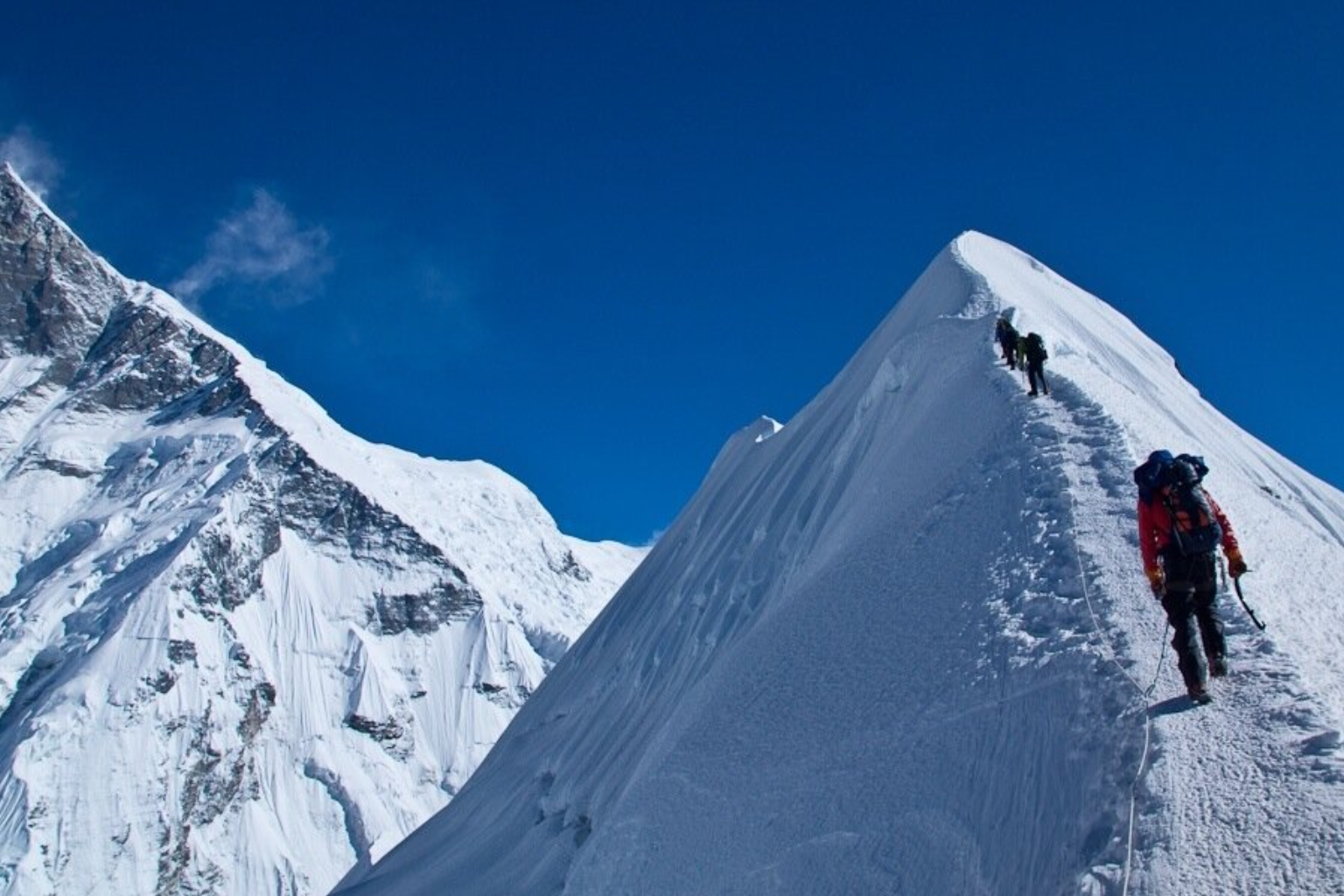
Island Peak is technical glacier travel, steep ice walls, crevice finding, and is dangerous to an inexperienced climber. Guides learn how to work fixed ropes, establish safety lines, and generally help climbers up difficult sections, minimizing the chance of a fall.
In the event of altitude sickness or injury, guides can notice symptoms early and provide intervention, such as oxygen or arrange evacuation, if needed. Their experience is important in deciding when to go on and when to turn back for safety.
Guides also manage logistics, which can be complicated in remote areas — permits, lodging, and equipment.
With a guide, you can pay more attention to the climb and enjoy everything in absolute confidence that there are experts present to watch out for your protection.
In conclusion, climbing Island Peak with professional guides greatly reduces the danger, provides excellent practice, and makes the whole trip more enjoyable.
What kind of safety equipment do you need to climb Island Peak?
Climb Island Peak Due to this being a technical and high-altitude climb, the right safety equipment is necessary. The trail to base camp is moderate, but the climb has complex glacier and steep ice slope climbs as well as rock/ice fall exposure and requires knowledge of proper rope techniques.
The most essential pieces of gear will be a climbing harness and helmet to protect you from falling and falling rock and ice. Firm mountaineering boots with added-on crampons can grip ice and snow. An ice axe is essential for balance, self-arrest, and moving across steep ground.
Fixed lines and glacier crossings are secured with ropes and carabiners to help with safety and avoid falling into crevasses. Gloves, gaiters, layered clothing. People will be protected from icy winds and wet conditions.
And when visibility is poor, whether you’re climbing in the early morning or finishing a leg in the dead of night, you need a dependable headlamp. Also essential is a basic first-aid kit that includes medication for altitude sickness, pain, and blisters.
Radios or satellite phones can be lifesavers during emergencies due to the remote location.
Also, an overrated sleeping bag for minus-degree temperatures, you will rest while on the expedition.
All gear must be properly maintained, properly fitted, and used by the instruction of experienced climbers or guides. The right gear accounts for a significant decrease in risks, in addition to greatly boosting chances for a safe and successful Island Peak climb.
How do weather conditions affect the safe ascent of Island Peak?
The weather is extremely important for the safety and success of climbing Island Peak. The weather conditions in the mountains of Nepal are tough to gain certainty of, one day the sun appears and the weather is as hot as it can be, the next everything you see is snow and the arrangement of the way is completely different. The majority of incidents happen when climbers try to reach the summit in bad weather, such as heavy snow, high winds, or a storm.
The cold raises the danger of hypothermia and frostbite, both at night and on morning summit pushes. Wind chill can compound the danger, and sudden snowstorms can decrease visibility, hiding crevasses and the risk of falls.
You will need to check the local weather forecast both before and during the climb. Local know-how and weather reports allow serious guides to select the safest summit windows. It is safer to wait until there is a clear day to climb than risk harsh weather.
Everest Base Camp Trek If the weather turns for the worse, it is best to turn around and save the summit for another day. Climbing ahead during dangerous weather adds the risk of accidents and exhaustion, and altitude sickness.
Good gear, like layered clothing, waterproof jackets, and sturdy footwear, also offers protection from short-term weather extremes. So, being ready to change plans due to weather is a precondition for a safe and pleasant Island Peak summit.
What are the symptoms of altitude sickness while ascending, and what can you do about it?
Altitude sickness, or acute mountain sickness (AMS), can impact any person who climbs Island Peak over 5,000 meters. Early symptoms of exposure include headache, nausea, dizziness, fatigue, loss of appetite, and trouble sleeping. These are signs that your body is not adjusting well to lower oxygen levels.
If you develop mild symptoms of AMS, stop ascending and stay at your current altitude until you recover. Alcohol or any type of heavy exertion should be avoided, and you should drink much water. OTC pain relief may help headaches.
If symptoms worsen or add severe headaches, vomiting, confusion, difficulty walking, and shortness of breath, it’s time to get medical help. These may be symptoms of high-altitude cerebral edema (HACE) or pulmonary edema (HAPE), both of which can be fatal.
The most reliable treatment for severe altitude sickness is to descend to a lower altitude promptly. Oxygen therapy may also be helpful.
Precautionary measures included the gradual acclimatization of the climb, ensuring the proper acclimatization, staying hydrated, and possibly using drugs like acetazolamide with a prescription from a doctor.
Open a dialogue with your guides on how you’re feeling and never sweep symptoms under the rug. Early detection is essential on Island Peak when things don’t go as planned.
How might nutrition and hydration affect your experience on Island Peak?
Everest Base Camp Good food, healthy hydration are important for a safe and successful trek to Island Peak. At high altitudes, your body’s energy needs go up as it has to work harder to deal with lower oxygen and cold temperatures. What’s more, if you don’t have enough calories, fatigue will quickly set in, and your body’s ability to perform will suffer.
Carb-rich food gets glucose in the blood, and that keeps you going during the long days of walking. Proteins and fats that will help to repair the muscle, as well as help to provide a slower release of energy.
“Hydration is always key, too, even more so on hot days. Dehydration is more common than it might seem, especially because it’s hard to feel thirsty in the cold, dry mountain air. A minimum intake of 3-4 ltr of water per day will be useful in keeping the blood flowing freely and will assist acclimatization. Dehydration doesn’t help with altitude sickness and also negatively affects physical performance.
Stay away from alcohol and caffeine as these dehydrate the body. Bring water purification tablets or water filters , as natural water sources may not be safe.
Some healthy options like energy bars or nuts, or small, frequent meals and snacks, will stabilize energy levels. By planning a nutrition strategy for a climb, you can remain well-fueled and hydrated, making the climbing experience not only more enjoyable but safer as well.
What kind of technical skills are required to reach Island Peak?
Island Peak can be climbed by trekkers with moderate mountaineering skills as long as they have some technical knowledge. The ascent includes glacier travel, icy gullies, fixed ropes, and requires knowledge of rope and ice axe techniques.
You need to know how to use crampons effectively for ice and snow traction. A good footing and walking style are also safeguards against slipping.
Steep snow, due to solid technique and rhythm, with reliance on an ice axe for balance and self-arrest, is another signature skill. If you begin sliding on a slope, the ice axe can save you from falling to the ground if you use it correctly.
They are protected by a safety leader, however, and you’re safely clipped into a fixed line on the more exposed sections. Managing ropes and following voice commands while traveling on a rope team enhances coordination.
Experience of glacier walking and identifying hazards like crevasses is beneficial. Guides typically scout ahead, but general knowledge enhances your safety.
Basic mountaineering training prior to climbing is highly recommended and is provided by many trekking companies. Physical conditioning and reasonable judgment are all that is needed to reach the summit of Island Peak with these skills.
At what point should climbers abandon the ascent for safety during the Island Peak expedition?
Everest Base Camp Tour An Island Peak summit attempt turnaround is one of the most crucial and sometimes toughest safety decisions. Early identification of risks can save lives.
If you are beginning to feel the effects of altitude sickness, such as severe headaches, dizziness, nausea, or shortness of breath, then you should turn around. If they are ignored, and you keep climbing, there’s a possibility for serious conditions to develop, such as HAPE or HACE.
Very bad weather, such as heavy snow, high winds, or low visibility, is another obvious reason to turn around and forget about the summit attempt. Mountain weather can turn quickly, and it would be more dangerous on the descent.
Physical fatigue or injury is also a cause for locating a path to retreat. You’re more likely to get into accidents or aggravate an injury climbing when tired or hurt, and you’ll likely put yourself at even higher risk.
Then trust the guide, and if told to return because of safety, then do that. The experienced guides know what they’re doing and how to keep you safe.
Keep in mind, getting to the top is great, but first comes life and health. There is no shame in turning around; it’s a sign of good judgment and will allow you to try again another day.
How Do You Prepare for Island Peak?
Island Peak preparation should include physical training as well as logistical organization. Physically, the emphasis should be on cardiovascular endurance, such as running, cycling, or hiking, several months ahead of the climb. Leg, core, and upper-body strength training will provide a platform to handle the demanding terrain and carrying a heavy backpack. On the hike itself, getting some shots of you carrying your bags up and down hills can help simulate the experience.
Acclimatization is critical. Schedule a slow ascent with rest days for acclimatisation at intermediate altitudes to prevent altitude sickness. Trekking popular routes, such as Everest Base Camp before Island Peak, provides the benefit of your body acclimatizing to the altitude.
The technical preparation includes achieving basic techniques of mountaineering. Learn how to use crampons, ice axes, and harnesses. Most trekking companies provide pre-climb ‘training’ to give you confidence in getting on top of the glacier and rope handling.
Logistically, make sure all permits and proper documentation are in place before you leave. Choose the right gear, such as layered clothing, sturdy boots, a climbing harness, a helmet, and safety devices. The weather is unpredictable — pack for cold, wind, and snow.
Mental preparedness plays a role, too, such as understanding there will be obstacles and surprises. Hangin’ with some guides makes it safer and more productive. Lastly, speak with your doctor about altitude medication and health checks.
The more thoroughly you are prepared, the better your chances of a happy and successful climb of Island Peak.
What Should I Avoid Doing when Climbing a Mountain?
Mountain climbing requires respect for nature and your body, and caution. One of the big blunders is going up too fast without proper acclimatization. Climbing high too fast is why altitude sickness is one of the riskiest aspects of the ill-fated attempt.
Do not ignore symptoms such as headaches, nausea, or dizziness. Overcoming illness through brute force can make you sicker. Make sure you never climb alone — always find a couple of experienced guides to accompany you.
Everest Base Camp Hike Try not to overpack – you are only weighing yourself down. But essential safety gear, including helmets, crampons, and harnesses, is not really where you’d want to cut corners.
Don’t think about the weather. STORMY OR SNOWY WEATHER ATTEMPTS to climb during a storm, or when the snow is deep, is extremely hazardous.
Alcohol and smoking at altitude dehydrate and inhibit oxygen absorption. For the rest of the day, remember to drink water regularly and to eat balanced meals.
As with all wilderness activities, don’t bite off more than you can chew; know your limits and turn back if necessary.
Finally, keep your hands off fixed ropes and safety gear. Adhere to environmental guidelines and do not leave a trace to protect mountain ecosystems.
Get the following “don’ts” right and you’re sure to ascend safely, responsibly, and successfully.
Is it Possible to climb Island Peak without a Guide?
In terms of technicality, it is a peak that can be done without a guide, but not recommended for the majority of climbers. The route includes glacier and crevasse navigation, as well as steep ice and a very good level of technical climbing ability is needed.
Guides are skilled in route-finding, rope-fixing, and safety techniques. They help rig fixed lines and help find a way through dangerous sections, minimizing the risk of falling or other accidents.
Without a guide, you’ll need to be strong in your mountaineering; know how to use crampons, perform an ice-axe self-arrest, and crevasse rescue. A lack of local information can raise the risk of being lost or trapped in a dangerous position.
Plus, hiring guides is a way to offer support directly to local Sherpa communities as well as permits and logistics.
Climbing Island Peak without a guide for beginners. People who have never climbed before and who do not have the required technical climbing experience should simply not attempt climbing Island Peak without a guide. Experienced guides increase success rates and add to safety, allowing the climb to be more enjoyable.
How difficult is it to summit Island Peak?
Island Peak is said to be a difficult but not so technical 6000m climb and is certainly one of the ‘easier’ 6000m peaks to attempt in the Himalayas. Includes challenging hiking and some steep ice and snow climbing.
Physically, the climb requires strong cardiovascular fitness, stamina, and strength to take you through long days of heavy kit and steep ascents at altitude (6,189m). Acute mountain sickness is a serious concern, and there is a risk of developing altitude-related problems.
Although the route is less challenging than those of the highest peaks of the Himalayas, the expedition includes a glacier crossing, steep ice walls, and requires the use of crampons and ice axes. Some introduction to mountaineering is required.
The challenge level is appreciated with weather, fitness, climbing experience, etc. An achievable peak for the well-prepared and well-led, Island Peak demands respect.
To sum up, Island Peak is more difficult than a traditional trek but not as tough as a technical peak; it is a great option for trekkers wanting to experience Himalayan climbing at a moderate level.