You know that feeling when you flip a switch and nothing happens? There’s this half-second pause where your brain just refuses to accept it. You flip it again. Same result. And suddenly you’re standing in a dark hallway wondering how something so basic became so complicated.
Power is one of those things we treat like air. We assume it’s there, we assume it works, and we barely think about it until the day it doesn’t. But behind every light that turns on and every appliance that runs smoothly, there’s a whole system doing quiet, unglamorous work. And honestly, most of us never give it a second thought — which, in a weird way, is a compliment to whoever installed it correctly in the first place.
Where It All Actually Starts
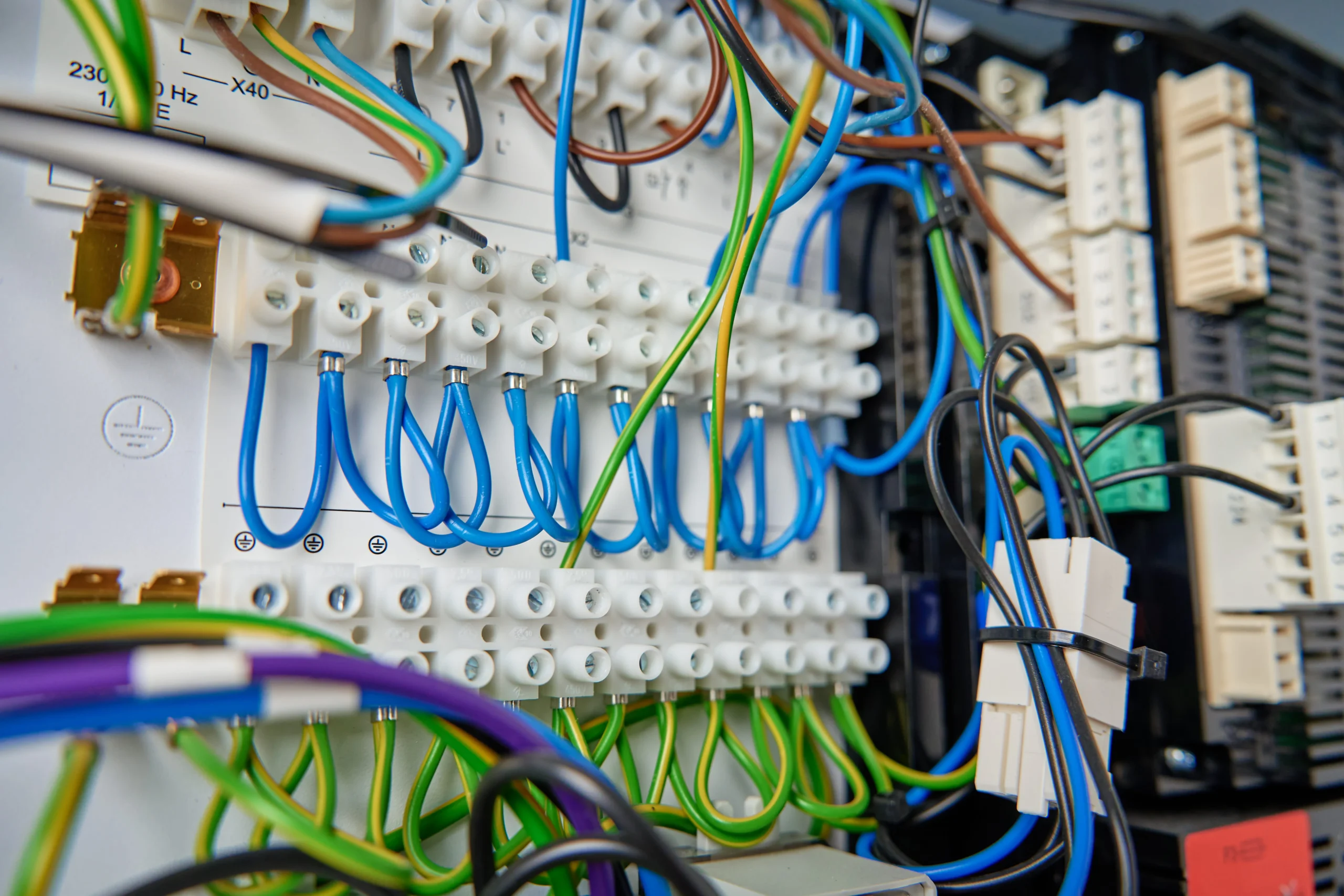
People tend to picture electrical work as the visible stuff — outlets, switches, light fixtures. The parts you touch. But the real foundation is buried, literally, inside walls and ceilings, running through channels most of us will never lay eyes on. That’s where conduit and wiring come into play, and it’s honestly the part of the job that separates a rushed installation from one that’ll actually hold up for decades.
Think of conduit like the skeleton of a building’s nervous system. It protects the wiring from damage, moisture, rodents (yes, that’s a real thing electricians deal with more than you’d think), and general wear over time. Skip corners here, and you’re not just risking an inconvenience down the road — you’re risking actual safety. I’ve heard stories from electricians who opened up walls in older homes and just shook their heads at what they found. Wires twisted together with electrical tape, no proper casing, stuff that would make any inspector’s blood pressure spike.
The Systems We Don’t Notice Until They Fail
Every building, whether it’s a cozy two-bedroom house or a sprawling office complex, relies on what you’d call the essential lighting and power systems — basically, the stuff that makes a space livable and functional at all. It sounds obvious when you say it out loud, but it’s easy to forget how much depends on this working correctly. Your fridge staying cold. Your kids doing homework under a light that doesn’t flicker. A hospital keeping equipment running through the night. None of it happens without a properly designed system underneath.
And here’s something people don’t always consider — lighting isn’t just about brightness. It’s about placement, load balancing, and making sure you’re not overloading a single circuit because someone decided to plug in six things at once during a holiday dinner (we’ve all been there). Good design anticipates that mess before it happens.
Planning for How Life Actually Works Now
A few years back, most homes could get by with a fairly modest setup. Now? Between smart devices, electric vehicles, home offices, and just… more stuff plugged in generally, our power management needs have shifted dramatically. It’s not really optional anymore to think ahead. A system built for 2010 just doesn’t hold up in 2026, not gracefully anyway.
This is where a good electrician earns their keep — not just fixing what’s broken, but asking the right questions upfront. How many devices are you realistically running? Are you planning to add an EV charger next year? Do you work from home and need a dedicated circuit for your setup so it doesn’t trip every time someone turns on the microwave? These aren’t dramatic questions, but they’re the ones that save headaches later.
The Part Nobody Likes to Think About
Nobody wants to spend money on something they can’t see. I get it — it’s a lot easier to justify a kitchen remodel than a rewiring job, because one you can show off to guests and the other just… sits behind the drywall, doing its job silently. But that invisibility is kind of the whole point. Good electrical work isn’t supposed to be noticed. It’s supposed to just work, quietly, reliably, for years without drama.
If there’s one thing worth taking from all this, it’s that the boring parts of a building are usually the ones that matter most. Nobody brags about their conduit layout at a dinner party, sure. But when the lights stay on during a storm, when your outlets don’t spark, when your whole system just… works, that’s not luck. That’s someone doing the unglamorous groundwork right the first time.
So next time you flip a switch and the light comes on without a second thought, maybe give a small mental nod to whoever wired it. It’s a strange thing to be grateful for, but it’s one of those quiet comforts that make a house actually feel like home.