There’s a particular kind of relief that comes from stepping into a cool room after spending half the day outside in the heat. You put down your bag, take a deep breath, and finally feel comfortable again. Most of us don’t think much about the air conditioner making that moment possible until it starts struggling, makes an unfamiliar noise, or sends the electricity bill climbing higher than expected.
Whether you’re cooling a small apartment, a family home, a busy office, or a retail shop, keeping your AC in good condition takes more than switching it on when the weather gets hot. A little attention throughout the year can improve comfort, reduce unnecessary energy use, and help prevent inconvenient breakdowns. The trick is knowing what your system needs and when it’s time to call for professional help.
Understanding What Your Air Conditioner Really Needs
An air conditioner does more than blow cold air into a room. It removes heat from indoor spaces and transfers it outside, while also helping manage humidity. Several components work together to make this happen, including the compressor, evaporator coil, condenser coil, fan motors, filters, and thermostat.
When one part isn’t working properly, the whole system can become less effective. A dirty filter, for instance, restricts airflow. The unit may run longer without delivering the comfort you expect, and prolonged restricted airflow can contribute to additional problems.
Understanding your air conditioning needs starts with recognizing how the space is used. A bedroom occupied mainly at night has different cooling demands from a restaurant kitchen, a shop with frequent customers, or an office filled with computers and people.
Room size matters, but it isn’t the only consideration. Ceiling height, insulation, window placement, sunlight, local climate, and the number of occupants all influence cooling requirements. An oversized unit may cycle on and off too frequently, while an undersized one may struggle during the hottest hours.
That’s why choosing equipment based on more than its advertised cooling capacity is worth the effort.
Everyday Habits That Help Improve Cooling Efficiency
Some of the most useful maintenance habits are also the easiest to overlook. Air filters are a good example. As dust accumulates, airflow becomes restricted, making the system work harder. Check your filter regularly and clean or replace it according to the manufacturer’s instructions and the conditions in your home.
Outdoor units need attention, too. Leaves, dust, grass clippings, and other debris can collect around the condenser and interfere with airflow. Keep the surrounding area clear, and avoid stacking objects against the unit. Before cleaning around any equipment, switch it off and follow the manufacturer’s safety guidance.
Your thermostat settings also make a difference. Setting the temperature extremely low won’t necessarily cool the room faster. It may simply keep the system running longer than necessary. Choose a comfortable setting that suits the weather, occupants, and type of space.
During sunny afternoons, closing curtains or blinds can reduce heat entering through windows. In rooms that aren’t being used, consider whether cooling is necessary, provided doing so doesn’t interfere with your system’s design or humidity management.
These are ordinary adjustments, not complicated tricks. Still, they can add up over a long, hot season.
Residential and Commercial Cooling Require Different Approaches
A home and a commercial property might use similar air conditioning technology, but their operating demands can be very different. At home, comfort, quiet operation, and reasonable running costs are often the main priorities. In a commercial setting, reliable cooling can also affect employee comfort, customer experience, equipment performance, and daily operations.
For a home or business owner, understanding these differences is important when planning maintenance or considering an upgrade.
A small household split AC might need routine filter care and occasional professional servicing. A larger office with several indoor units may require coordinated maintenance, checks across multiple zones, and careful attention to airflow distribution. Retail spaces with frequently opened doors can experience substantial heat gain, while some commercial environments have additional ventilation requirements.
Operating hours matter as well. An office running air conditioning throughout the working day puts different demands on its equipment than a home that uses cooling mainly in the evening.
Rather than following a generic maintenance schedule without considering usage, look at the system’s age, operating conditions, manufacturer recommendations, and past repair history. A tailored approach is usually more practical than waiting for something to fail.
Warning Signs You Shouldn’t Ignore
Air conditioners often give clues when something isn’t right. The difficulty is that these clues can appear gradually, making it easy to dismiss them as ordinary wear and tear.
If the unit runs continuously but doesn’t cool the room properly, possible causes include restricted airflow, a dirty coil, a refrigerant leak, or a malfunctioning component. An accurate diagnosis is necessary before deciding what needs repair.
Listen for changes in sound. Rattling might indicate a loose component, while grinding or persistent buzzing could point to a more serious mechanical or electrical issue. Water dripping indoors may be linked to a blocked drain, drainage problem, or frozen evaporator coil.
An unexplained increase in electricity consumption is another reason to investigate. Weather and usage patterns affect bills, of course, so higher costs don’t automatically mean the AC is faulty. But if your habits haven’t changed and cooling performance has declined, an inspection may be worthwhile.
Don’t ignore burning smells, smoke, sparking, or repeatedly tripping circuit breakers. Turn off the system if it’s safe to do so and arrange qualified assistance. Electrical faults aren’t something to experiment with, even if you’re usually handy around the house.
Why Professional Maintenance Is Worth Considering
Basic upkeep is manageable for most people, but diagnosing internal faults requires experience and appropriate tools. Professional servicing can help identify problems that aren’t obvious during everyday use.
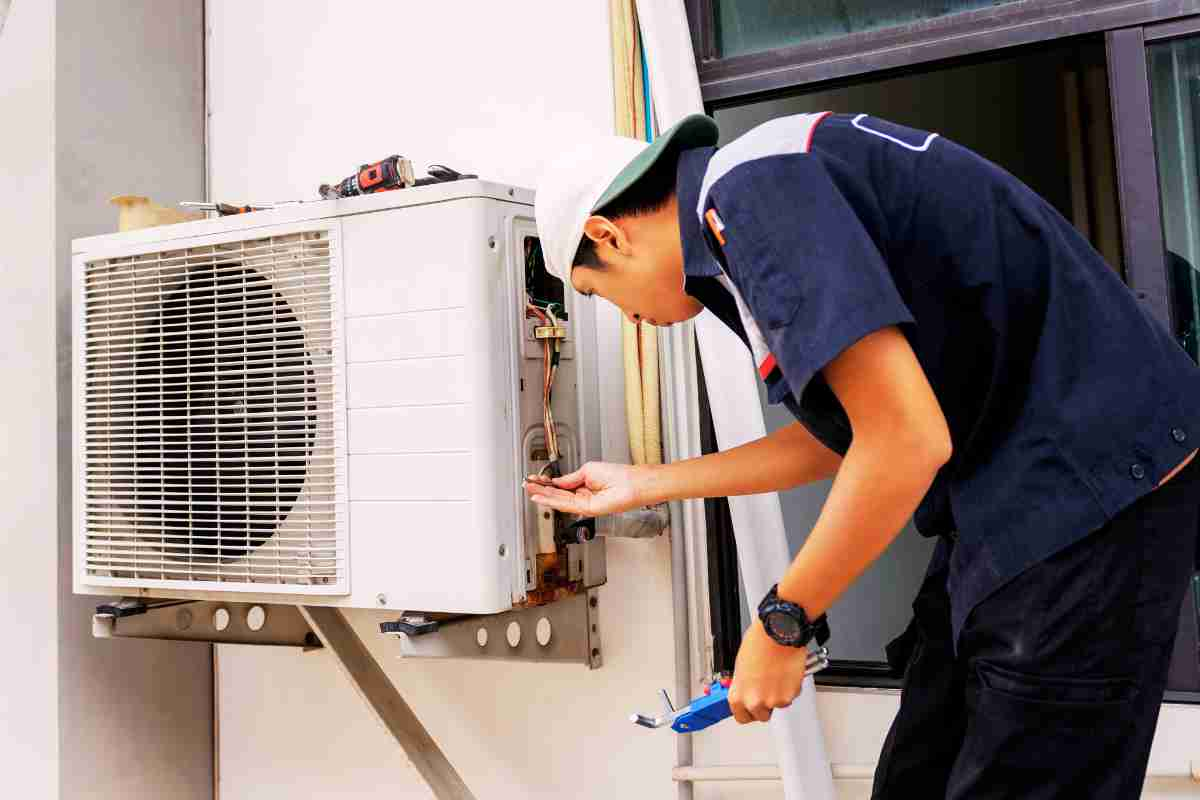
Qualified technicians may inspect electrical connections, check system controls, assess airflow, examine accessible coils, clear suitable drainage components, and evaluate overall cooling performance. The exact work depends on the equipment and the service being provided.
Refrigerant-related problems require particular care. If refrigerant levels are low, a leak may be responsible. Simply adding refrigerant without investigating the cause can leave the system operating inefficiently and allow the problem to return.
When arranging a service visit, explain the symptoms clearly. Mention when the problem started, whether it happens continuously or intermittently, and whether you’ve noticed unusual noises, leaks, or changes in energy consumption. These details can help narrow down the possible causes.
Ask for an explanation of the findings and a written estimate before approving substantial repairs. A good service professional should be willing to explain the work in understandable language rather than relying on technical jargon to justify every charge.
Repair or Replace? Making a Sensible Choice
Eventually, every air conditioner reaches a point where repairs become more frequent or expensive. Deciding whether to repair or replace it isn’t always straightforward.
Start by considering the unit’s age, condition, repair history, and remaining warranty. Compare the estimated repair cost with the price of a suitable replacement, including installation. Energy efficiency deserves attention, especially if the existing unit consumes considerable electricity.
However, buying a new system isn’t automatically the best answer. A relatively recent unit with an isolated fault may be worth repairing, while an older system with repeated major failures might cost more to maintain over time.
If replacement seems sensible, have the cooling requirements assessed properly. A correctly sized, appropriately installed system is more likely to deliver consistent comfort than one selected purely because it is inexpensive or powerful.
Small Steps Today Can Prevent Bigger Problems Tomorrow
Keeping an air conditioner efficient doesn’t require constant attention or expensive upgrades. It starts with simple habits: maintaining clean filters, keeping outdoor equipment clear, choosing sensible thermostat settings, and noticing changes before they become major faults.
Professional inspections provide another layer of reassurance, particularly for systems that operate heavily throughout the year. They can help identify developing problems and give you a clearer picture of the equipment’s condition.
Most importantly, treat cooling as an ongoing part of caring for your property rather than something to think about only during a heatwave. A well-maintained system can support comfortable living, more dependable operation, and better energy management.
When the temperature rises and everyone is looking for a cool place to escape, you’ll appreciate having taken the time to look after the equipment that keeps your space comfortable.