When homeowners think about improving water quality, they often focus on the kitchen faucet. After all, that’s where most families get their drinking and cooking water. However, the water flowing through bathroom fixtures, showers, washing machines, and other household appliances deserves attention as well.
Unpleasant odors, suspended particles, and unwanted substances can influence several aspects of everyday living. Installing separate filters throughout your property might address individual concerns, but maintaining multiple devices can quickly become inconvenient.
For homeowners in Houston, Texas, centralized water treatment offers a practical alternative. By treating incoming water before it travels through household plumbing, appropriately selected filtration equipment can address specific concerns across multiple rooms.
Understanding the available technologies, their individual functions, and their maintenance requirements can help you make a worthwhile investment in your home’s water quality.
Treat Incoming Water Before It Reaches Your Household Plumbing
Your home’s water supply travels through an extensive network of pipes before reaching individual faucets and appliances. Installing treatment equipment near the main supply allows homeowners to address selected water quality concerns at a central location.
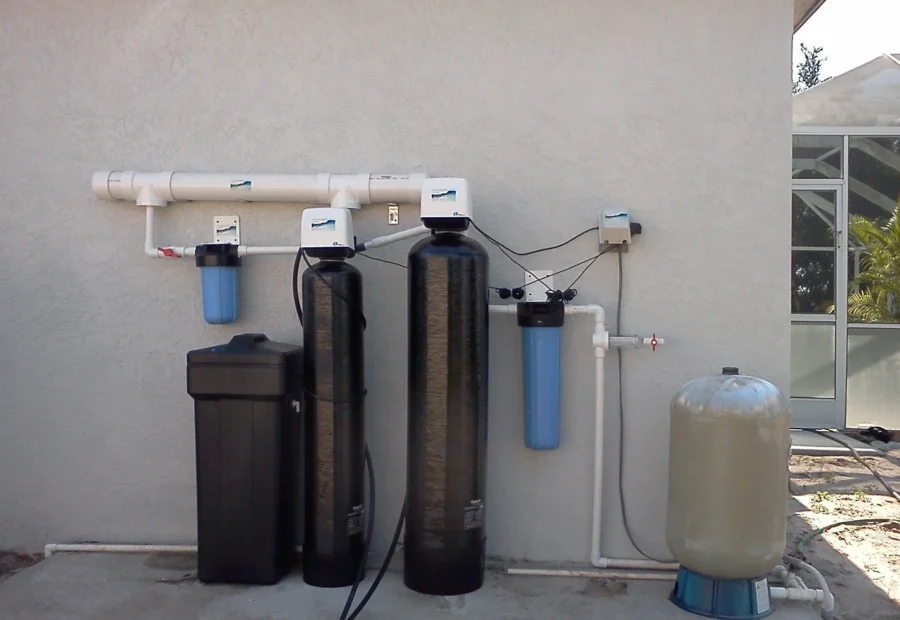
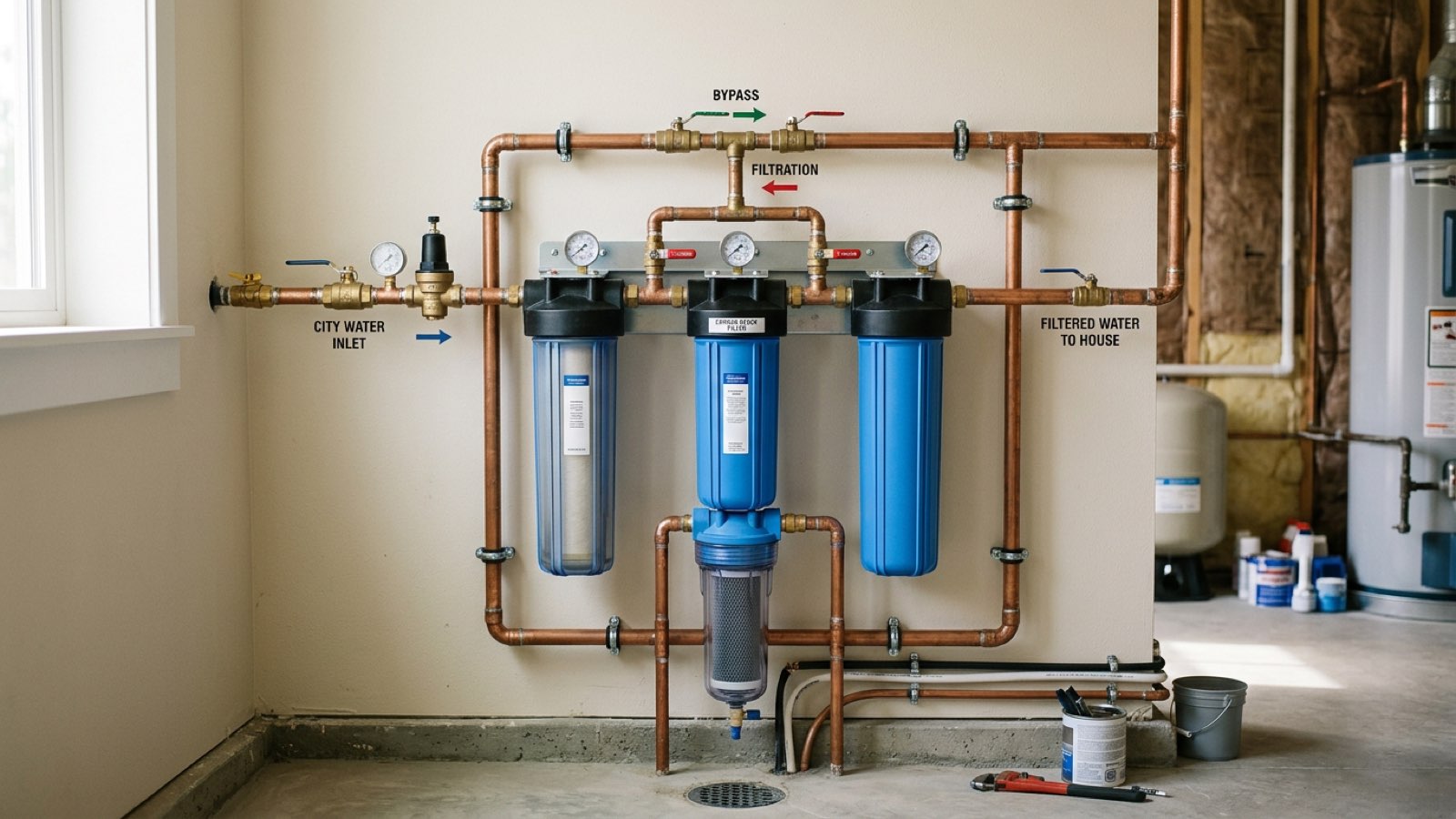
A point-of-entry water filtration system treats incoming water before it reaches connected household fixtures, providing a convenient alternative to installing individual filtration devices throughout the property.
Depending on the equipment selected, this approach may help reduce suspended particles, certain disinfectants, unpleasant odors, and other targeted substances.
Consider how often your household uses water outside the kitchen. Morning showers, laundry loads, bathroom cleaning, and handwashing all depend on the same incoming water supply.
Centralized treatment can extend selected filtration benefits across these everyday activities.
Another advantage involves maintenance convenience. Rather than remembering replacement schedules for several individual faucet filters, homeowners can focus on maintaining a centrally installed treatment arrangement.
However, proper equipment selection is essential. Incoming water pressure, peak consumption, plumbing compatibility, and installation space should influence the system’s design.
Homeowners should also confirm which outlets will receive treated water because certain outdoor faucets may bypass the equipment.
A carefully planned installation helps balance treatment effectiveness with dependable household water flow.
Combine Sediment Removal and Carbon Treatment for Better Results
Different substances in household water require different treatment mechanisms. Suspended particles can affect water clarity, while disinfectants and certain organic substances may influence taste and odor.
Installing whole-home sediment and carbon filtration allows homeowners to combine complementary treatment technologies that address these separate concerns.
Sediment filters primarily capture suspended materials such as sand, rust, and dirt. Removing these particles before water reaches subsequent filtration components can help reduce excessive particulate accumulation.
Activated carbon performs a different function. Its porous structure allows it to adsorb selected substances, including chlorine and certain organic compounds.
Imagine taking a relaxing shower without being distracted by a noticeable chemical odor. Appropriately selected carbon treatment may help improve this experience.
Combining sediment removal with carbon filtration can also help establish suitable operating conditions for additional treatment equipment.
Nevertheless, not every carbon filter provides identical results. Certain disinfectants, such as chloramine, may require specialized filtration media or longer contact times.
Homeowners should review their water supplier’s quality reports and compare independently certified equipment performance before making a purchase.
It’s equally important to understand that these technologies don’t necessarily remove dissolved hardness minerals or every potentially harmful contaminant.
Choosing treatment components based on actual water conditions helps prevent unnecessary expenses and disappointing results.
Find the Right Centralized Filtration Equipment for Your Property
Every household has different water consumption patterns. A family with multiple bathrooms and frequently used appliances may require considerably greater treatment capacity than a smaller household.
When comparing residential whole-house filters, homeowners should consider equipment capacity, filtration media, incoming water pressure, and ongoing maintenance requirements.
An undersized filtration system could restrict water flow during busy periods or require more frequent cartridge replacements.
Imagine two family members taking showers while the washing machine and dishwasher are operating. Your filtration equipment should be appropriately sized to accommodate anticipated demand.
Homeowners should also consider the differences between replaceable cartridge systems and larger media-based filtration equipment.
Cartridge systems may offer a straightforward treatment arrangement, while certain media-based systems can accommodate greater treatment demands, depending on their design.
Available installation space is another important consideration. Equipment should remain accessible for routine inspections, cartridge replacements, and professional servicing.
A bypass arrangement may also provide convenience during maintenance when appropriately installed.
Rather than selecting equipment based entirely on purchase price, consider the complete cost of ownership.
The right filtration system should address your property’s water conditions while remaining practical to maintain for years to come.
Recognize the Everyday Signs of Water Quality Concerns
Water quality problems often become noticeable through recurring household inconveniences rather than sudden changes.
Common indicators worth investigating include:
- Visible sediment or suspended particles in tap water.
- Noticeable chemical odors while showering.
- Unpleasant tastes in drinking water.
- Rust-colored residue around plumbing fixtures.
- Unexpected water discoloration.
- Recurring mineral deposits inside household appliances.
These symptoms can have different underlying causes.
For example, white mineral deposits may indicate excessive hardness, while an unpleasant chemical odor could be associated with municipal disinfectants.
Professional testing helps identify appropriate treatment methods rather than relying on assumptions.
Remember that clear, pleasant-tasting water isn’t necessarily free from harmful contaminants.
Understand When Additional Water Treatment May Be Necessary
Centralized filtration offers several practical advantages, but it cannot necessarily address every household water quality concern.
Traditional ion-exchange water softeners may be appropriate when excessive calcium and magnesium concentrations contribute to mineral deposits.
Dedicated reverse osmosis equipment can provide additional reduction of many dissolved substances in drinking and cooking water.
Some Houston homeowners may benefit from combining centralized filtration with water softening or targeted drinking water treatment.
However, not every property requires multiple systems.
Reliable water testing can help determine which technologies offer meaningful improvements without unnecessary installation expenses.
Protect Your Filtration Investment With Regular Maintenance
Even high-quality filtration equipment requires periodic attention to maintain its effectiveness.
Replace cartridges and service filtration media according to manufacturer recommendations.
Monitor unexpected changes in water pressure, taste, and odor, as these may indicate developing equipment concerns.
Keeping maintenance records makes replacement schedules easier to manage while helping you anticipate ongoing ownership expenses.
Periodic follow-up testing may also help verify that your equipment continues addressing its intended treatment objectives.
Enjoy Better Water Throughout Your Houston Home
Improving household water quality can make ordinary activities more enjoyable, from taking a morning shower to preparing dinner and completing household chores.
For Houston homeowners, carefully selected centralized filtration offers a practical approach to addressing specific water quality concerns across connected plumbing.
Begin with reliable testing, compare appropriate filtration technologies, and prioritize professional installation and consistent maintenance.
Ultimately, investing in quality water treatment isn’t simply about installing another piece of equipment. It’s about creating a more comfortable home where appropriately filtered water supports everyday convenience, household satisfaction, and long-term value.