Most people think of water treatment as installing a filter beneath the kitchen sink and enjoying better-tasting drinking water. In reality, some water quality problems require a little more attention than a standard filtration unit can provide.
Depending on where your water comes from, you might encounter excessive minerals, unpleasant odours, iron staining, or concerns involving microbial contamination.
For homeowners and businesses across Vancouver Island, understanding the equipment available for these challenges can make water management considerably easier.
Chemical treatment, retention tanks, and conditioning systems all serve different purposes. Although these technologies might sound complicated at first, their individual roles are fairly straightforward once you understand the basics.
More importantly, knowing how they work can help you avoid purchasing equipment that doesn’t suit your actual water conditions.
The Role of Chemicals and Supporting Components in Water Treatment
Certain water quality problems require more than simply passing water through a filter. Chemical treatment may be necessary to address specific concerns involving disinfection, oxidation, or pH adjustment.
Selecting appropriate water treatment chemicals and parts involves understanding water chemistry, equipment compatibility, and the intended treatment objectives.
Chemical feed pumps, injection valves, storage containers, and connecting components help deliver treatment substances in a controlled manner.
For instance, some systems use oxidation to convert dissolved iron into particles that can subsequently be captured through filtration.
However, chemical treatment requires careful monitoring and qualified professional guidance. Incorrect chemical selection or dosing can compromise water quality and damage equipment.
Always use products intended for the specific application, follow manufacturer safety instructions, and store treatment chemicals securely.
The goal is effective, controlled treatment rather than simply adding chemicals and hoping for better results.
Why Retention Time Matters in Water Treatment
Not every treatment process happens instantly. Some chemical reactions and disinfection methods require sufficient contact time to achieve their intended results.
This is where water treatment retention tanks become particularly useful. These tanks provide additional time for water and treatment chemicals to interact before the water moves through subsequent treatment stages.
For example, an appropriately designed retention arrangement may support certain oxidation or chemical disinfection processes.
Tank selection depends on several factors, including water flow, required contact time, internal design, and operating pressure.
A larger tank doesn’t automatically guarantee effective treatment. Proper sizing and system configuration are equally important.
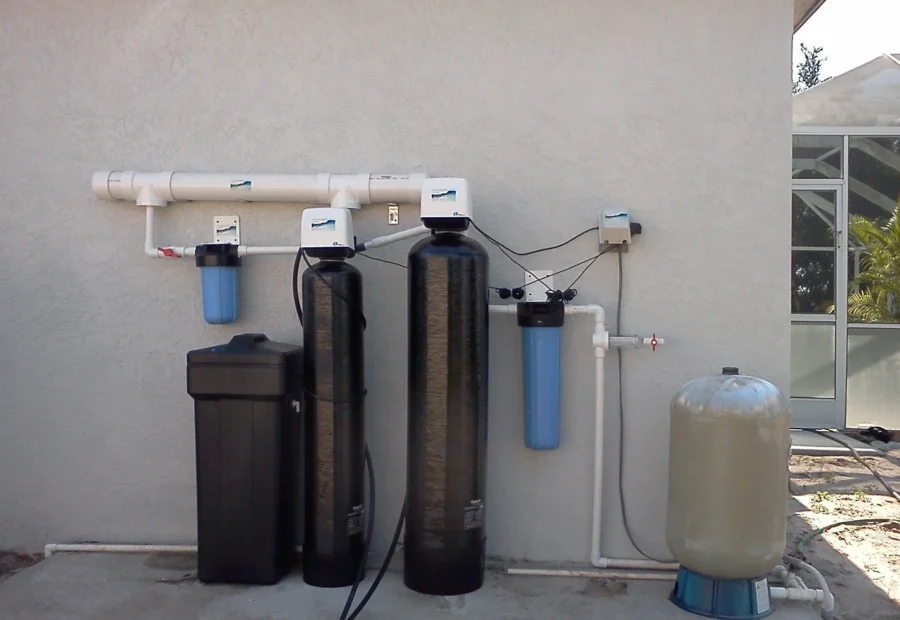
For properties relying on private wells, professionally designed treatment arrangements may incorporate retention tanks alongside chemical feed equipment and filtration units.
It’s one of those behind-the-scenes components that homeowners rarely think about, yet it can play a significant role in overall system performance.
Making Everyday Water Use More Comfortable
Have you ever wondered why freshly washed towels sometimes feel rough or why your kettle develops a stubborn layer of white deposits?
Excessive mineral hardness could be part of the explanation.
Suitable water conditioning equipment can help manage particular water characteristics that affect household comfort, appliance performance, and routine cleaning.
Traditional water softeners reduce dissolved calcium and magnesium through ion exchange, helping limit the formation of mineral scale.
Other conditioning technologies may target specific water chemistry concerns or help manage scale formation without removing hardness minerals.
Understanding these differences matters when comparing equipment.
A household dealing with mineral buildup might benefit from conventional softening, while another property may require specialized treatment for iron or manganese.
Water conditioning isn’t a universal solution for every contaminant. Testing should guide equipment selection, especially when drinking water safety is a concern.
How Different Treatment Components Work Together
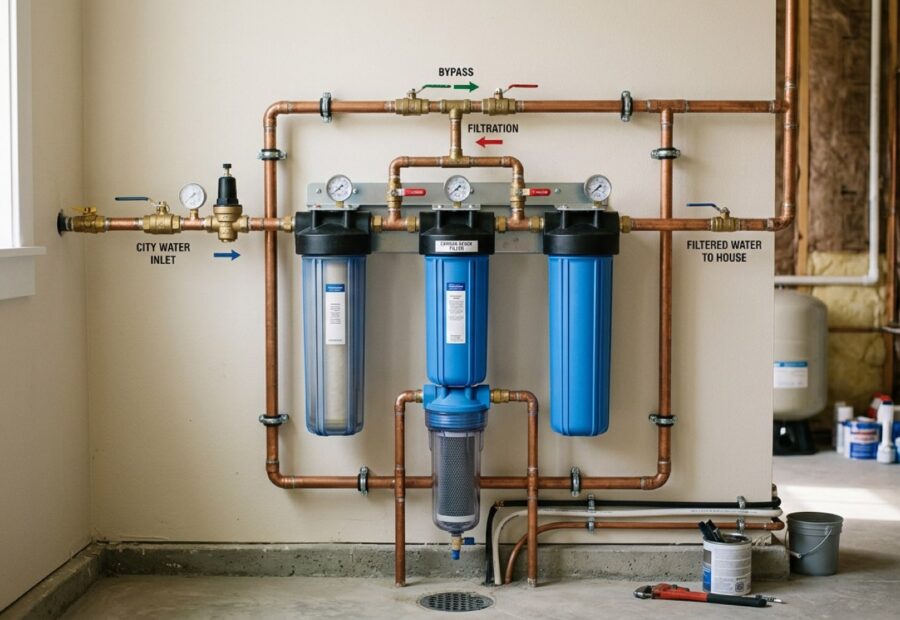
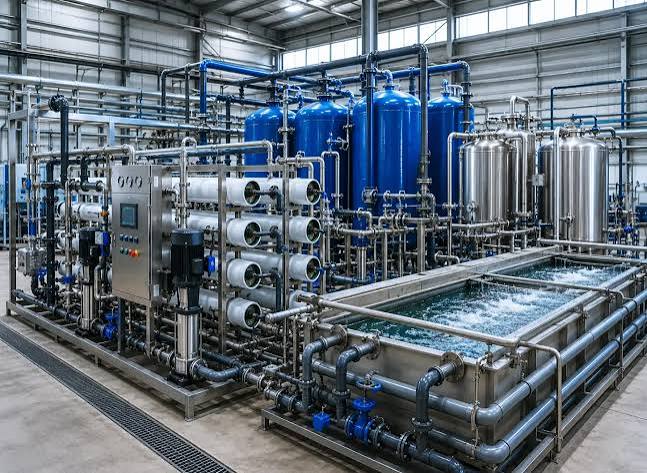
A well-designed water treatment system often involves several components performing separate but complementary tasks.
Imagine a rural property experiencing elevated iron concentrations alongside suspended sediment. Depending on the water chemistry, effective treatment might involve oxidation, sufficient contact time, and subsequent filtration.
Each stage prepares the water for the next part of the process.
Simply connecting several pieces of equipment without understanding their functions may create operational problems.
Flow rates, pressure requirements, chemical compatibility, and treatment capacity all deserve consideration.
For more complex installations, professional system design can help ensure that individual components work together effectively.
Sometimes, the most valuable investment isn’t another piece of equipment but taking the time to plan the entire arrangement properly.
Start With Reliable Water Testing
It’s tempting to diagnose water problems based on appearance or smell. Unfortunately, those observations only tell part of the story.
Reddish stains may suggest iron, but testing is necessary to establish concentrations and determine suitable treatment.
Private well owners should arrange regular laboratory analysis to investigate microbial contamination and other relevant water characteristics.
Municipal water customers can review their supplier’s water quality information and investigate property-specific concerns when necessary.
Having reliable test results makes conversations with equipment specialists more productive. It also helps prevent unnecessary spending on products that aren’t designed to address your particular concerns.
Maintenance Matters More Than You Might Think
Even carefully selected equipment requires ongoing attention.
Chemical feed systems need monitoring, retention tanks may require periodic inspection and cleaning, and water softeners generally need routine salt replenishment.
Follow equipment-specific maintenance recommendations and investigate unusual changes in performance.
Keep replacement part numbers, servicing records, and water test results somewhere accessible.
These details can be surprisingly helpful when troubleshooting equipment problems or planning future maintenance.
For systems addressing potentially harmful contaminants, appropriate follow-up testing is essential for verifying treatment effectiveness.
A Thoughtful Investment in Better Water
Improving water quality doesn’t necessarily mean installing complicated equipment throughout your property.
For Vancouver Island homeowners and businesses, the sensible approach involves understanding water conditions, selecting compatible treatment components, and maintaining them consistently.
Whether you’re managing stubborn mineral deposits or addressing more complex water chemistry concerns, properly selected equipment can make a worthwhile difference.
Reliable water supports nearly everything we do at home. Giving its treatment the attention it deserves isn’t just about protecting equipment—it’s about making everyday life more comfortable, convenient, and dependable.